
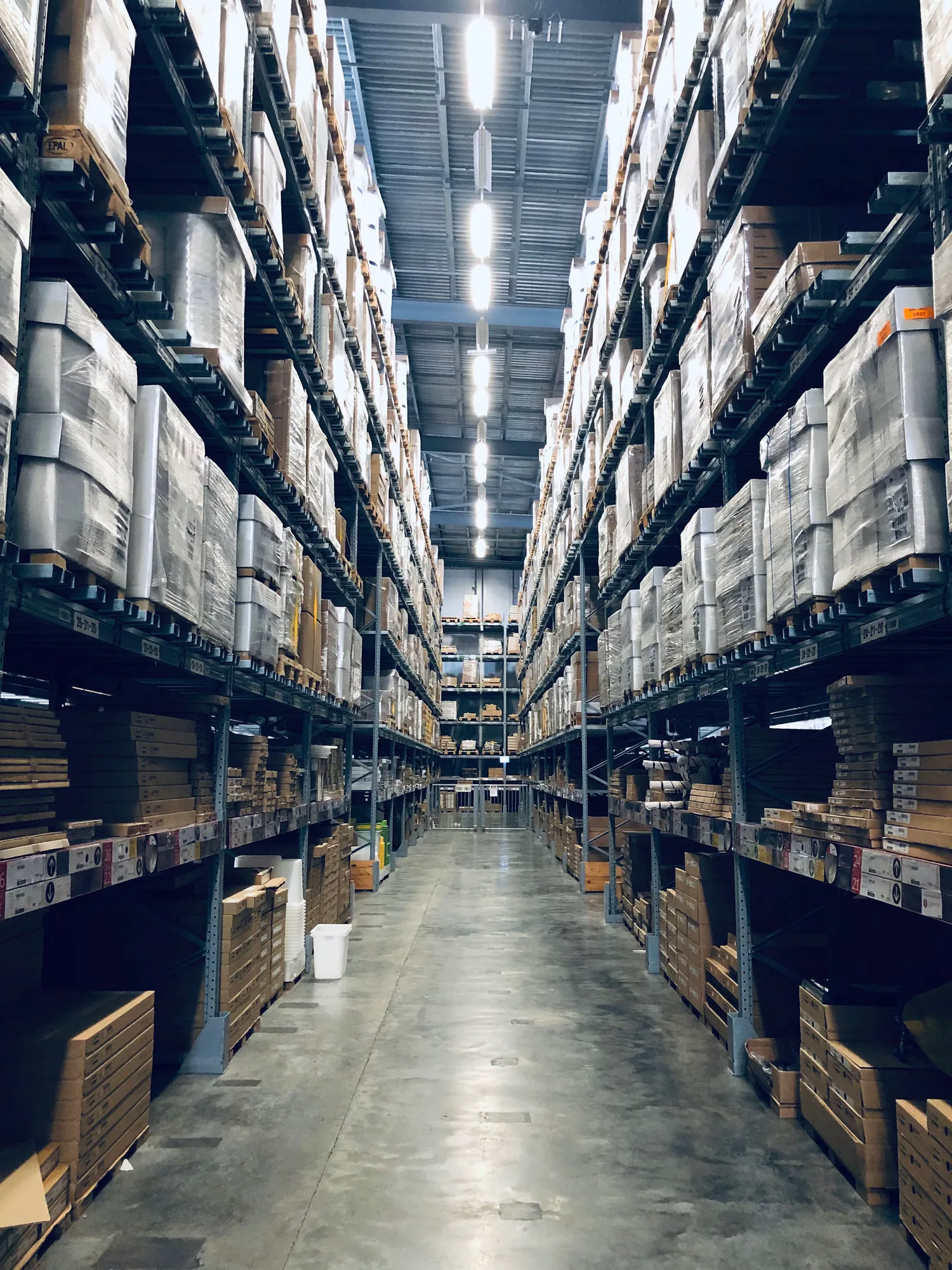
Warehouse Event Staffing
Event-specific operating notes
Employment: The assigned local partner agency employs and pays the workers it supplies. US crews are the agency's W-2 employees; Canadian crews are employed locally by the assigned partner agency under applicable Canadian employment and payroll rules.
Decision record: isolate the guest room from the industrial shell
Before public staff report, mark the approved guest entrance, fire route, temporary room boundary, receiving point, and every aisle that remains restricted. A runner carrying badges should never cross an active equipment lane simply because it is shorter. General labor can stage approved nontechnical materials and support the documented reset, while powered equipment, electrical, rigging, building systems, and production controls stay with authorized operators. Use different check-in points for the industrial load-in and the guest-facing call so credentials reveal which zone a worker may enter. During strike, keep public departure separate from material movement and do not release stored stock until its owner signs for it. The final building handback should list damaged items, unfinished provider work, cleared fire routes, and equipment still under another contractor's control.
How should a warehouse event separate public rooms from the industrial shell?
A warehouse event must separate the public program from the industrial shell around it. Mark guest entrances, receiving points, storage, restricted aisles, fire routes, temporary rooms, staff check-in, and the approved loading path before event-support workers arrive.
Which warehouse tasks stay with authorized operators instead of event staff?
Setup, registration, hospitality, inventory or credential preparation, runners, and strike should each have a lead and written boundary. Powered equipment, electrical, rigging, building systems, and other qualified work stay with authorized operators.
Source: ADA.gov: Title III Requirements
What must be returned before a warehouse event crew is released?
The closeout plan returns controlled stock and equipment, clears public areas, records damaged or unresolved items, and hands the building back without leaving the next warehouse shift to interpret an event crew's unfinished work.
Source: U.S. Department of Labor: Employee Misclassification