
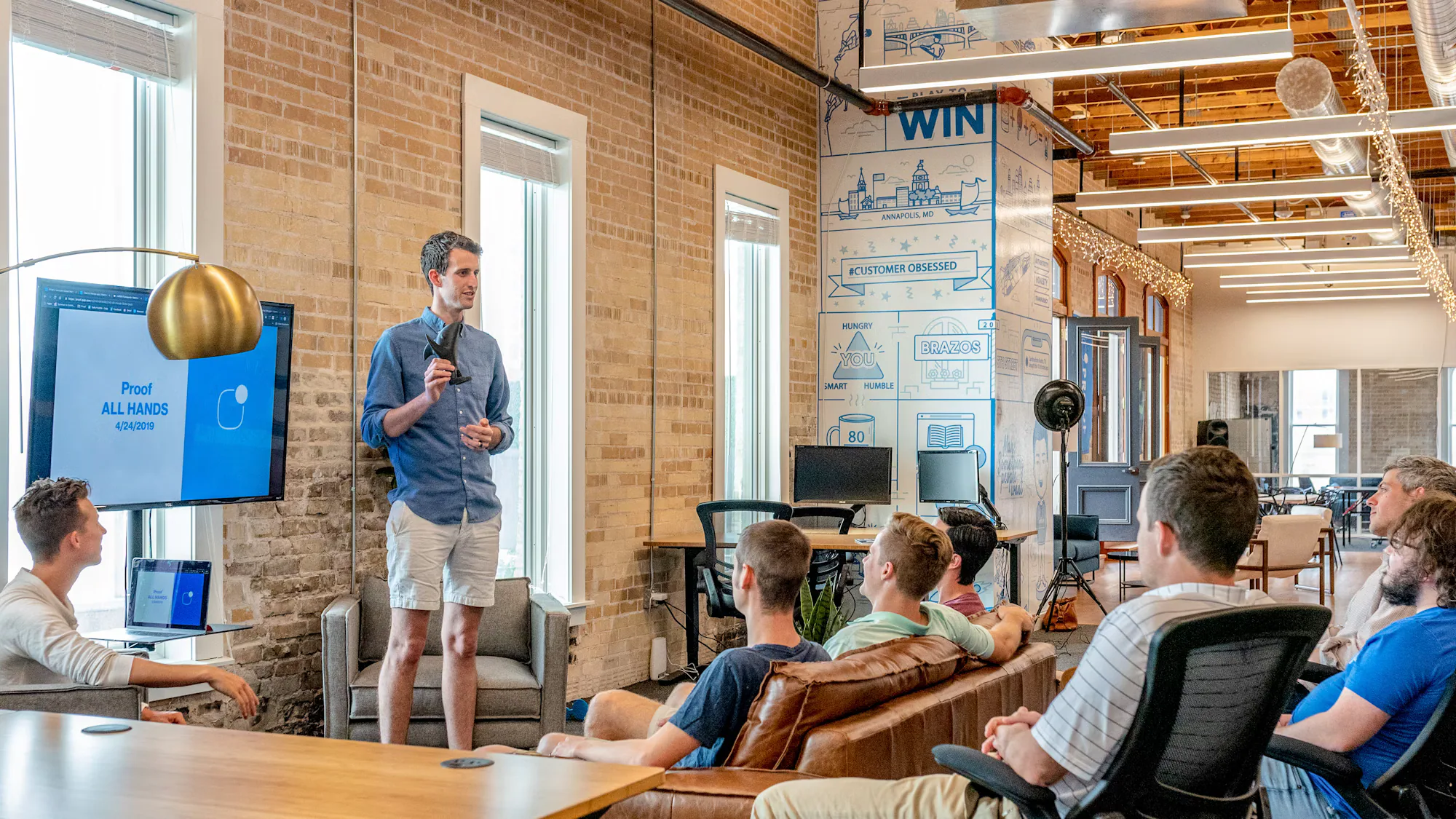
Product Launch Staffing
Product launch event checklist for media and guest arrivals, demo training, approved claims, inventory, lead capture, and issue escalation.
Event-specific operating notes
Employment: The assigned local partner agency employs and pays the workers it supplies. US crews are the agency's W-2 employees; Canadian crews are employed locally by the assigned partner agency under applicable Canadian employment and payroll rules.
product launch event checklist A product launch event checklist should connect media and guest arrival, demo training, approved claims, inventory, lead capture, and issue escalation.
Operating decisions for product launch staffing
- Separate arrival, demonstrations, lead capture, media, inventory, guest support, and exception ownership.
- Train to approved claims, disclosure language, answer boundaries, and device workflows before doors.
- Keep technical installation, electrical, security, data administration, and regulated sampling with qualified providers.
Arrival and setup
A launch is usually built around a reveal, but guests experience everything before and after it. Registration confirms the invitation and consent workflow. Ambassadors open conversations and move guests toward a demonstration. Demo staff follow the approved sequence. Lead-capture workers record the handoff in the client system. Operations tracks devices, samples, collateral, queues, and room changes. Do not make one ambassador own all five jobs. The staffing map should show where a conversation begins, where a claim may be made, where data is collected, and when the interaction moves to a product expert.
Live-event handoffs
Claims and endorsements need a script with edges. The FTC advises clear disclosure of material connections in endorsements. Staff must know when they are speaking for the brand, what can be said about performance, price, availability, eligibility, warranties, and comparisons, and who answers anything outside that list. If creators or invited guests produce content, the brand team owns disclosure instructions and approvals. Event staff can route and document the process; they should not make legal calls or encourage a disclosure to be hidden. A quiet answer boundary protects the launch better than enthusiastic improvisation.
Close and contingency
Demonstration safety and data handling should be part of rehearsal. Qualified providers retain electrical, rigging, network administration, installation, hazardous materials, and specialized equipment. General staff can reset approved props, clean public touchpoints, manage a line, and report a device failure. Lead forms stay on client-approved hardware and systems, with the minimum fields required and no personal-device backups. Plan accessible approaches and communication support for the demonstration itself, not only the entrance. At close, reconcile samples, loaned devices, leads, collateral, media requests, and unresolved product questions before the team leaves.
Planning authorities: Federal Trade Commission: Endorsements, Influencers, and Reviews, ADA.gov: Title III Requirements
Which crew brief keeps product demos, sample control, lead capture, and launch timing aligned?
A launch is usually built around a reveal, but guests experience everything before and after it. Registration confirms the invitation and consent workflow. Ambassadors open conversations and move guests toward a demonstration. Demo staff follow the approved sequence. Lead-capture workers record the handoff in the client system. Operations tracks devices, samples, collateral, queues, and room changes. Do not make one ambassador own all five jobs. The staffing map should show where a conversation begins, where a claim may be made, where data is collected, and when the interaction moves to a product expert.
Source: Federal Trade Commission: Endorsements, Influencers, and Reviews
Which operating handoff belongs in the product launch brief?
Claims and endorsements need a script with edges. The FTC advises clear disclosure of material connections in endorsements. Staff must know when they are speaking for the brand, what can be said about performance, price, availability, eligibility, warranties, and comparisons, and who answers anything outside that list. If creators or invited guests produce content, the brand team owns disclosure instructions and approvals. Event staff can route and document the process; they should not make legal calls or encourage a disclosure to be hidden. A quiet answer boundary protects the launch better than enthusiastic improvisation.
Source: ADA.gov: Title III Requirements
What should the product launch team confirm before closeout?
Demonstration safety and data handling should be part of rehearsal. Qualified providers retain electrical, rigging, network administration, installation, hazardous materials, and specialized equipment. General staff can reset approved props, clean public touchpoints, manage a line, and report a device failure. Lead forms stay on client-approved hardware and systems, with the minimum fields required and no personal-device backups. Plan accessible approaches and communication support for the demonstration itself, not only the entrance. At close, reconcile samples, loaned devices, leads, collateral, media requests, and unresolved product questions before the team leaves.
Source: U.S. Department of Labor: Employee Misclassification