
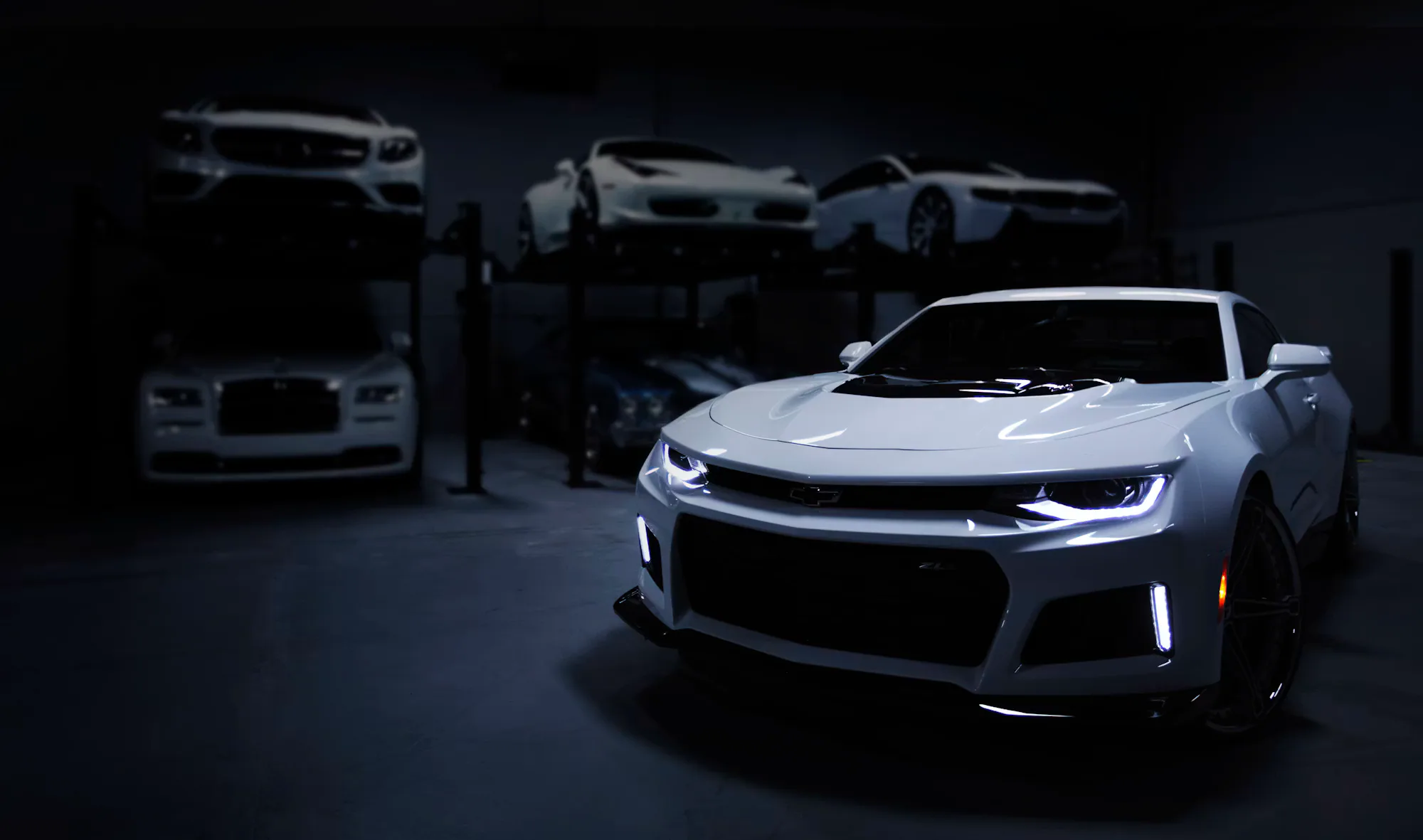
Automotive Show Staffing
Car show planning checklist for vehicle move-in, guest queues, product hosts, parking zones, display resets, and an accountable floor lead.
Event-specific operating notes
Employment: The assigned local partner agency employs and pays the workers it supplies. US crews are the agency's W-2 employees; Canadian crews are employed locally by the assigned partner agency under applicable Canadian employment and payroll rules.
car show planning checklist A practical car show planning checklist starts with vehicle move-in rules, guest queues, product-host training, parking zones, and a named floor lead.
Operating decisions for automotive show staffing
- Lock the vehicle move-in schedule and public-free work window before assigning support crew.
- Separate product hosts, registration, parking, queue staff, and floor leads on the call sheet.
- Write keys, vehicle access, ride-and-drive, and incident escalation rules into the briefing.
Arrival and setup
The first staffing problem at an automotive show is movement, not attendance. Display vehicles, transporters, detailing teams, exhibit materials, and producer access all converge before the hall opens. The move-in plan should identify a controlled route, a public-free window, a key custodian, and the people allowed inside each vehicle. Event-support staff can check credentials, hold pedestrian access, place approved signage, and relay instructions from the floor manager. They should not drive, diagnose, fuel, charge, or reposition a vehicle without explicit authorization and the required qualification. A written permission map is faster than deciding at the dock while a carrier is waiting.
Live-event handoffs
Once doors open, each display needs a service purpose. Brand ambassadors explain approved features, direct guests to representatives, capture leads with consent, and reset literature or demonstration areas. Registration staff handle tickets and credentials. Crowd-flow staff keep photo moments, simulators, and reveal stages from blocking through-aisles. Parking staff belong outside with the arrival plan, not pulled indoors when a booth gets busy. If the show includes test drives, passenger experiences, or moving demonstrations, those operations need their own licensed drivers, waivers, route controls, and producer. The general floor team supports the handoff but does not inherit the risk.
Close and contingency
Closing creates a second peak. Guests linger around hero vehicles, exhibitors begin packing sales materials, and transport teams prepare for release. Staff need a firm public-clear signal before barriers or displays move. The floor lead should track damage reports, lost property, remaining keys, and any vehicle that cannot leave on schedule. Accessible routes must remain open during resets, including paths around platforms and display furniture. A good automotive-show plan looks repetitive because it is: open the zone, reset the display, manage the queue, record the exception, and close only when control transfers back to production.
Planning authorities: OSHA: Crowd Management Safety Guidelines, ADA.gov: Title III
Which crew zones keep vehicle move-in, product demos, and guest traffic separated?
The first staffing problem at an automotive show is movement, not attendance. Display vehicles, transporters, detailing teams, exhibit materials, and producer access all converge before the hall opens. The move-in plan should identify a controlled route, a public-free window, a key custodian, and the people allowed inside each vehicle. Event-support staff can check credentials, hold pedestrian access, place approved signage, and relay instructions from the floor manager. They should not drive, diagnose, fuel, charge, or reposition a vehicle without explicit authorization and the required qualification. A written permission map is faster than deciding at the dock while a carrier is waiting.
Which operating handoff belongs in the automotive show brief?
Once doors open, each display needs a service purpose. Brand ambassadors explain approved features, direct guests to representatives, capture leads with consent, and reset literature or demonstration areas. Registration staff handle tickets and credentials. Crowd-flow staff keep photo moments, simulators, and reveal stages from blocking through-aisles. Parking staff belong outside with the arrival plan, not pulled indoors when a booth gets busy. If the show includes test drives, passenger experiences, or moving demonstrations, those operations need their own licensed drivers, waivers, route controls, and producer. The general floor team supports the handoff but does not inherit the risk.
Source: ADA.gov: Title III
What should the automotive show team confirm before closeout?
Closing creates a second peak. Guests linger around hero vehicles, exhibitors begin packing sales materials, and transport teams prepare for release. Staff need a firm public-clear signal before barriers or displays move. The floor lead should track damage reports, lost property, remaining keys, and any vehicle that cannot leave on schedule. Accessible routes must remain open during resets, including paths around platforms and display furniture. A good automotive-show plan looks repetitive because it is: open the zone, reset the display, manage the queue, record the exception, and close only when control transfers back to production.